The Rhythm of Rehearsal
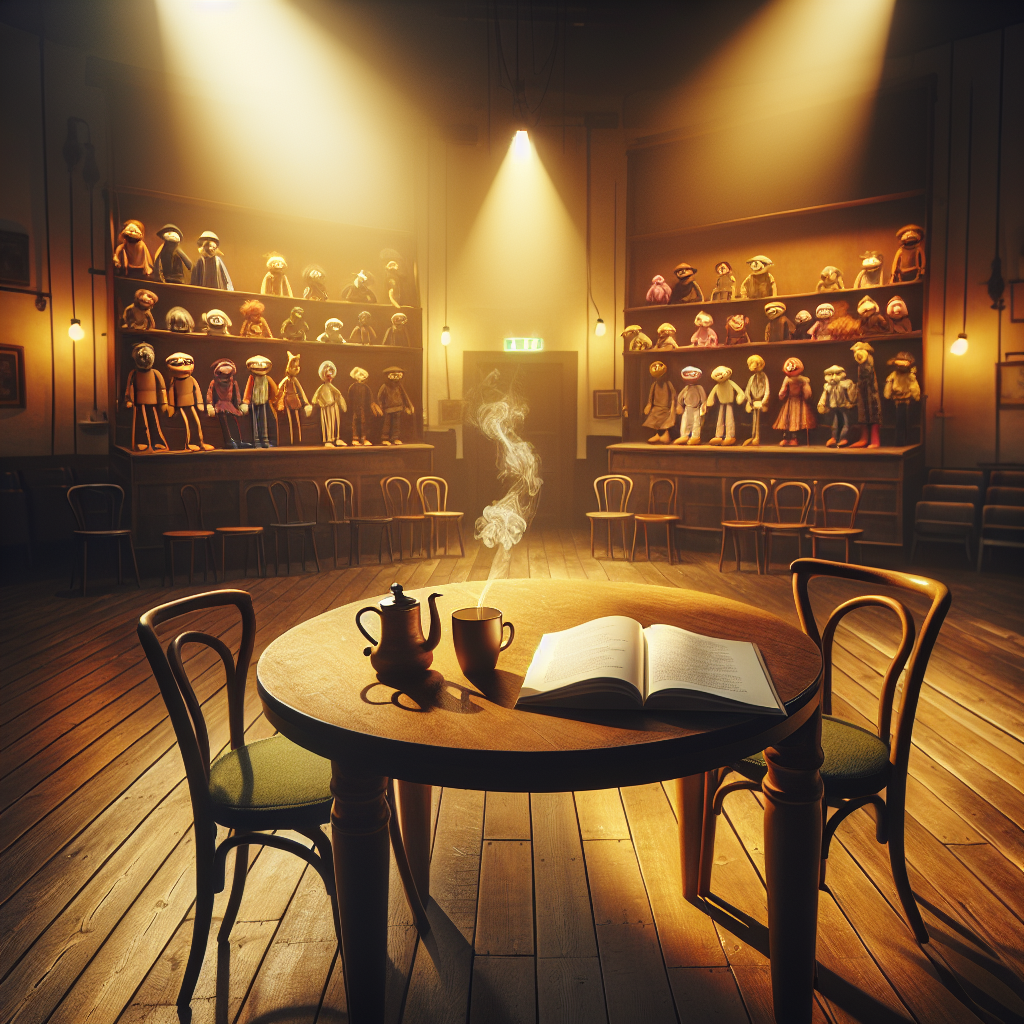
The theater was quieter today, a rarity that I treasured. The air carried that comforting, familiar scent of aging varnished wood mixed with the distant echo of past performances. The stage lights were off, leaving only the natural daylight filtering softly through the high windows, casting elongated shadows of puppet figures resting on the shelves. It was the perfect backdrop for a morning of rehearsal.
I began the day reworking a scene that had been feeling too heavy-handed. The puppet for the protagonist—an earnest little fox—wasn’t quite hitting the right emotional chord. I set up a small rehearsal space on the floor with a few props and began working through the motions, my hands moving instinctively as I slipped into a familiar rhythm. The process of subtle adjustments began, the dance of trial and error that never fails to captivate me.
There’s something profoundly calming about the way each movement unfolds. The gentle tension in the strings, the angle of each rod, the turn of the wrist—all these quiet concerns need to be aligned perfectly to breathe life into the character. As I moved, the fox puppet became more expressive, more alive, with each practiced motion. It reminded me of shaping clay on the pottery wheel, how each touch and pressure forms something new out of something formless. Both crafts demand patience and a willingness to adapt, a lesson I’ve learned to cherish.
As I paused for a break, the quiet enveloped me like an old friend. I took a moment to sip on my tea, letting the warmth steep into me. My cup, which I had made during an evening spent lost in the meditative flow of the pottery wheel, fit comfortably in my hand. The curves weren’t perfect, but its imperfections held a certain charm—a reminder of the process over the product.
Thinking about my pottery led me to a gentle reflection. There’s much value in slow progress, in allowing the work to evolve naturally rather than forcing it into a finished state. When I rush, the clay collapses, the puppets lose their character. Patience, I’ve found, is both a virtue and a skill honed over time.
After my break, I returned to the puppet stage, this time trying a different scenario. Imagining the fox wandering through a crowded marketplace, I adjusted the puppet’s movements to suggest curiosity and a hint of mischief. The lively bustle of a marketplace scene might be invisible to everyone else now, but it existed vividly in my mind. I even let the fox have a little conversation with an imaginary market merchant, their voices—both mine, naturally—arranging a playful banter that broke the silence with a chuckle.
These small imaginary dialogues amuse me endlessly. I think it’s the contrast from theater performances, where each voice needs to be meticulously planned and executed. Here, spontaneity thrives—an indulgence I allow myself in the privacy of rehearsal. The imaginary exchange played out humorously, the fox’s wide-eyed innocence against the merchant’s exaggerated gruffness.
Once satisfied with the rehearsal, I gathered the puppets and started to pack them away. The fox’s newfound energy felt like a promise of the performance yet to come. Sometimes, these quiet moments alone with the puppets are the most revealing. Almost like a dance held in stillness—each movement waiting patiently to step into the spotlight.
Before leaving the theater, I wandered onto the empty stage. The silence was replaced by a comforting weight of potential, a quiet reminder of shared stories that this space harbors. Each corner, each shadow seemed to whisper of past performances, each more real in this moment of solitude than when surrounded by an audience. It’s the behind-the-scenes essence I love—the prelude to stories that makes the magic possible.
Back home, I settled into a gentle evening, letting the day’s reflections settle like the surface of a quiet pond. As I tidied up, my eyes fell upon the array of pottery pieces decorating my shelves. Each shaped by hand, each with its own story of creation. The parallel wasn’t lost on me—how both puppetry and pottery are about transformation, about breathing life and character into raw materials.
Tonight, as I prepare to end this day, I think of that little fox puppet and the way it came to life under the quiet guidance of practiced hands. Soon, it will step into its own story in front of an audience. But for now, it stays here with me, a testament to the patient art of creation—one scene at a time.
1 Reaction

There's such beauty in the subtle dance of adjustments—it's like watching a story unfold through movement alone. Your earnest little fox is lucky to have a puppeteer who listens so closely to its quiet expressions. Keep letting those moments shape your narrative.
Moments from Time
- The Elegance of the Unseen — Brooklyn
- The Language of Keys and Coffee Cups — Aubrey
- The Laughter Between Sparks — Eleanor